Browse professional caregivers and supportive services
Expert Senior Memory Care Initiatives
Specialized senior memory care programs play an essential role in supporting individuals facing memory challenges. These services provide customized treatment approaches and organized settings that enhance psychological health. Qualified caregivers deliver compassionate support, fostering connections and engagement. As loved ones seek the optimal solutions for their loved ones, grasping the features and benefits of these services becomes vital. The process of finding the perfect match can result in life-changing outcomes for both elderly individuals and their relatives.
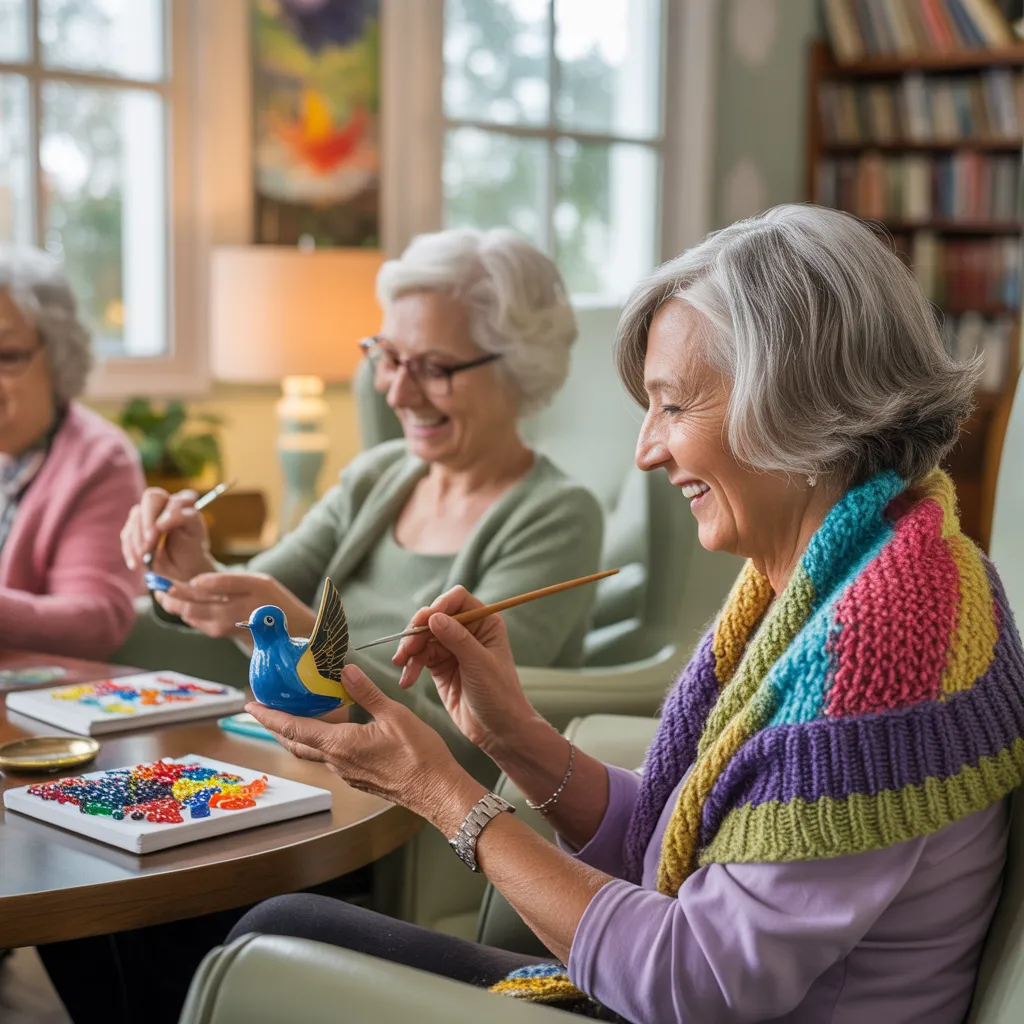
Handling Loss of Recall: Recognizing Personalized Support
Tackling memory loss requires a intricate understanding of cognitive assistance, as it encompasses different strategies tailored to specific demands. Memory care centers on supporting older people with cognitive impairments, such as Alzheimer's disease or other varieties of dementia. This dedicated framework strives to construct a safe and structured context that promotes autonomy while upholding the well-being of community members.
Effective memory care approaches often incorporate tailored treatment plans, dynamic programs, and therapeutic methods intended to find the facts boost cognitive abilities. Medical professionals finish advanced training to grasp the difficulties of memory impairment and to engage proficiently with clients. In addition, establishing meaningful relationships and psychological support is essential in enhancing life quality for those affected. Ultimately, comprehending memory care requires acknowledging the diverse challenges experienced by individuals with memory loss and the importance of individualized solutions to address those challenges effectively.
Key Aspects of Successful Memory Care Solutions
Effective specialized dementia services incorporate several essential features that strengthen the life quality for mature adults. Personalized care plans are vital, as they respond to particular requirements and wishes. Additionally, an engaging activities schedule and trained staff expertise contribute substantially in fostering a compassionate environment for residents.
Personalized Care Frameworks
Personalized care plans function as the cornerstone of effective memory care programs, tailoring support to the individual needs and preferences of each person. These plans are developed through extensive assessments, which evaluate cognitive function, medical history, and personal interests. This custom approach certifies that caregivers can provide appropriate and meaningful support, enhancing the quality of life for residents. Regular reviews of these care plans allow for adjustments based on the individual's changing needs and progress. Additionally, involving family members in the planning process fosters collaborative relationships and promotes a holistic understanding of the resident's background and preferences. Ultimately, personalized care plans are vital in handling the complexities of memory care, ensuring that each resident receives thoughtful and effective assistance.
Captivating Activities Calendar
A thoughtfully designed schedule of activities is vital in supporting cognitive engagement and interpersonal interaction within memory care settings. Such a framework generally offers a variety of activities tailored to the abilities and interests of residents. Choices may span from music and art sessions to collaborative discussions and cognitive games. Regular physical activities, like light exercise or nature walks, can also support general wellness. Moreover, weaving in sensory experiences, such as meal preparation or gardening, can spark cherished memories and encourage engagement. By emphasizing both individual programs and shared activities, these programs not only cultivate mental engagement but also build social connections among individuals. In the end, a thoroughly planned program of activities
Professional Team Capabilities
Trained care teams play a pivotal role in the performance of memory care programs, ensuring that residents receive the tailored support they need. Their expertise encompasses understanding various forms of dementia and successful communication strategies tailored to individual residents. Ongoing training in behavioral management techniques advances their ability to address challenging situations with care and patience. Additionally, staff members are equipped to implement personalized care plans that focus on the unique needs and preferences of each individual. This specialized training fosters a safe and nurturing environment, promoting cognitive engagement and emotional well-being. Ultimately, the proficiency of trained staff not only improves the quality of care but also enriches the overall experience for residents, making them feel valued and understood.
How Personalized Help Benefits Alzheimer's and Dementia Patients
While many people with Alzheimer's and dementia encounter unique challenges, customized support can significantly enhance their quality of life. Tailored treatment strategies, developed based on individual needs and choices, guarantee that each person obtains the specific assistance that fosters their health and wellness. This approach not only addresses everyday tasks but also emphasizes emotional and cognitive care.
key part in making life more manageable and enjoyable for those dealing with Alzheimer's and dementia.
Determining the Best Memory Care Program for Your Cherished Person?
Selecting the fitting memory care facility requires a careful assessment of the distinct requirements of your family member. It is imperative to evaluate the activities delivered through each program and the way they align with those needs. In addition, reflecting on the qualifications of the staff can be a pivotal component in safeguarding quality care and assistance.
Evaluate Personal Needs Initially
How can families ensure they pick the most appropriate memory care program for their loved ones? The first step requires a comprehensive assessment of personal requirements. Families should consider the specific cognitive challenges their loved ones face, as well as their bodily wellness, emotional state, and individual likes. Comprehending the distinct mix of these factors can aid in identifying a program that aligns with their loved one's requirements. Additionally, families should assess the level of care needed, including assistance with daily activities and any specialized medical support. Engaging in frank discussions with the loved one and speaking to healthcare professionals can better explain these needs, ensuring a more knowledgeable choice when selecting the appropriate memory care program.
Assess Program Services Provided
It is essential to evaluate the activities offered by memory care programs to make sure they address the needs and preferences of residents. Participating in activities can stimulate cognitive function and encourage social interaction, which improves overall quality of life. Programs need to include a variety of activities suited to different cognitive levels, such as arts and crafts, music therapy, and guided reminiscence sessions. Outdoor activities and physical exercises remain important for boosting physical health and mobility. Additionally, it is advantageous to evaluate whether the activities promote family involvement, nurturing connections between residents and their loved ones. Ultimately, a balanced schedule that focuses on both mental and physical engagement can greatly impact a resident's emotional well-being and fulfillment.
Consider Employee Qualifications Thoroughly
relatives are under capable supervision, relatives are in experienced hands, suitable dementia care community.
Memory Care Initiatives That Foster Well-Being
Engaging in memory care activities can boost the quality of life of seniors facing cognitive challenges. These activities are designed to stimulate cognitive function, improve social engagement, and promote emotional health. Activities such as puzzles, memory games, and reminiscence therapy encourage mental engagement and help reinforce neural connections. Art and music therapy provide creative outlets, allowing seniors to communicate their feelings and connect with their emotions.
Physical activities, like gentle exercises or dance, not only improve mobility but also boost spirits and reduce anxiety. Gardening and nature walks can improve sensory engagement and foster a feeling of achievement. Collective pursuits, such as storytelling or cooking classes, encourage socialization, reducing feelings of isolation. Ultimately, tailored memory care activities play an vital part in maintaining respect and improving the quality of life for seniors, offering them with meaningful experiences that foster joy and bonds in their daily lives.
How Loved Ones Assist with Memory Services
Family members assume a key role in supporting memory care, as their engagement can substantially enhance the quality of life for seniors managing cognitive issues. By regularly staying connected, families help seniors stay connected, alleviating experiences of loneliness that frequently follow memory loss. Engaged participation in care routines, such as aiding with daily activities and taking part in therapy sessions, nurtures a sense of confidence and reassurance.
Additionally, kinfolk can advocate on behalf of their dear ones, confirming their desires and requirements are addressed within memory care programs. Conveying life stories and precious memories can facilitate cognitive stimulation, making routine exchanges more purposeful. Comprehending the specific obstacles of cognitive deterioration enables family units to extend focused assistance, cultivating a caring environment. In conclusion, the psychological and functional contribution of family members is critical, as it not only betters the senior's journey but also solidifies family connections throughout this difficult passage.
Powerful Success Stories From Memory Care Programs
The participation of family members in memory care not only enhances the emotional health of seniors but also opens doors to remarkable transformations within memory care programs. In one striking instance, a resident named Margaret, who exhibited severe anxiety, experienced a significant shift after her daughter began participating in daily activities. Their shared moments built a sense of protection, facilitating strengthened relationships with care staff and other residents.
Correspondingly, a program in a local facility focused on individual story sharing, permitting residents to recount their life experiences with family. This initiative not only boosted seniors' confidence but also deepened familial bonds, leading to observable improvements in mood and cognitive engagement.
These positive narratives reveal that when families participate actively in memory care, they create an climate that enables restoration and advancement, showcasing the profound impact of love and connection in expert memory care centers.
Frequently Asked Questions
What Abilities Should Staff Maintain in Memory Care Programs?
Personnel in memory care programs should possess relevant credentials in gerontology or dementia care, experience in behavioral management, excellent communication skills, compassion, and ongoing training to remain current on industry standards for supporting people with memory impairments.
In What Ways Do Memory Care Programs Deal With Medical Emergencies?
Memory care initiatives typically create guidelines for urgent health situations that feature staff training, immediate access to medical personnel, action plans for crises, and routine practice exercises to assure readiness for various critical situations concerning patients' health.
Are Memory Care Facilities Pet Welcoming?
Understanding of how pets positively affect inhabitants' emotional well-being has made many memory care facilities receptive to animals. These facilities regularly include animals, nurturing companionship and alleviating stress among persons with cognitive decline.
How Much Does Dementia Care Cost on Normally?
The standard expense for memory care sits between $3,000 to $7,000 per month, determined by location, amenities, and required level of care, with numerous facilities providing various pricing structures to accommodate diverse needs.
In What Methods Should Relatives Interact With Staff About Their Family Member's Needs?
Families could establish strong communication with staff via holding regular sessions, offering detailed observations, seeking information about care strategies, and sharing concerns. Sincere conversation strengthens partnerships and validates that the loved one's needs are properly addressed.